
”Open-loop is not just a payment solution, it is a transformation of the customer experience.
Jorge MarotoManaging Director of Metro de Sevilla
In 2020, Metro de Sevilla became the first metro network in Spain to enable open-loop payment. During European Mobility Week, it implemented this new validation and payment system, driven by Globalvia, once again positioning itself as a technological benchmark. The move reflected its ambition to transform the user experience on the metro and facilitate the use of this sustainable mode of public transport. Since then, how has the implementation of open-loop payment changed travel in the land of flamenco, the capital of Andalusia? We spoke to Jorge Maroto Gómez*, Managing Director of Metro de Sevilla, about the reasons behind the deployment and what the experience has been like since.
Why did you decide to implement open-loop payment across the network?
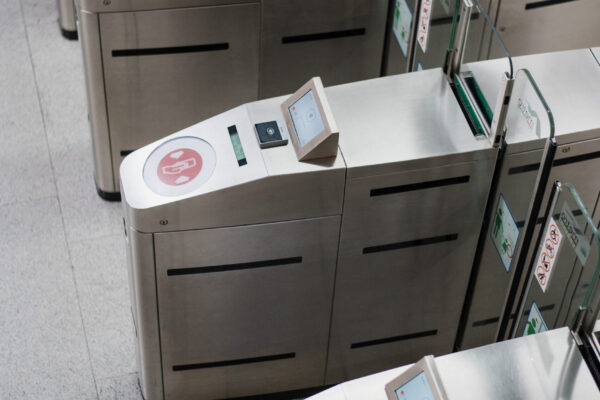
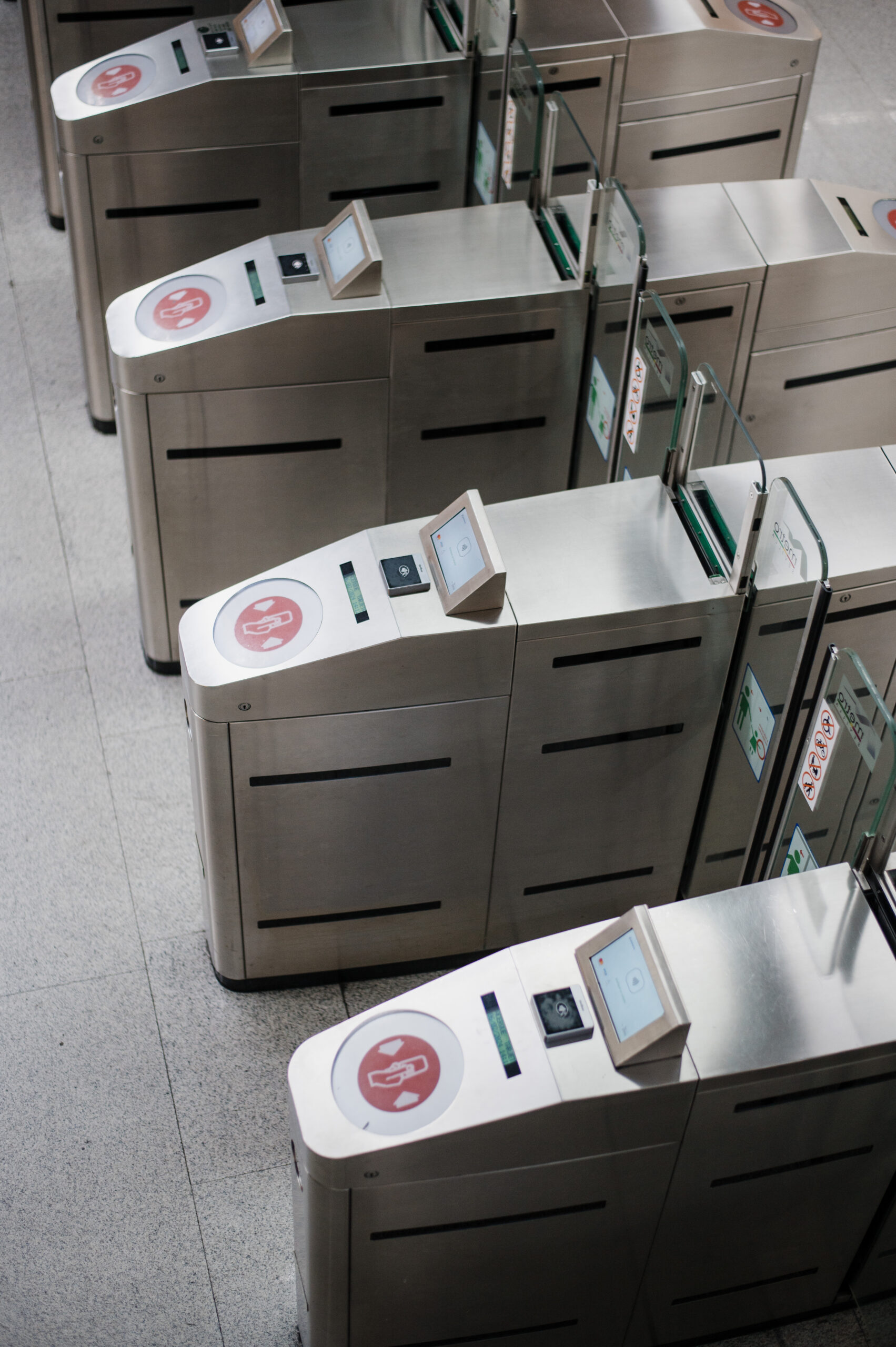
Our decision to implement open-loop payment was driven by a simple idea: making public transport easier to use. From an operator’s perspective, we identified that traditional ticketing systems were one of the main sources of friction in the customer journey: queues, fare complexity, and the need for physical media. These barriers no longer match the expectations of today’s users. With Tap&Go, we shifted towards a model where access to the metro is immediate and intuitive. Passengers can simply use their contactless bank card or mobile device, without the need to pre-purchase a ticket. At the same time, this transformation supports our operational goals. It reduces dependence on physical infrastructure, improves passenger flow in stations, and contributes to sustainability by eliminating disposable media. Ultimately, it is about focusing on what really matters: enabling people to move effortlessly through the city.
What were the biggest challenges during implementation?
One of the main challenges was managing complexity. Public transport systems are inherently complex, particularly in terms of fares—zones, ticket types, and usage conditions. As an operator within a regulated framework, we needed to respect that structure while delivering a simple experience to the user. The solution was to move complexity into the back office. Through an account-based system, we can apply all business rules automatically, allowing users to travel without having to understand the tariff system.
What was the most complex fare feature to deliver?
The most challenging aspect was implementing the best fare logic within a post-payment model. Our goal was to ensure that users always pay the most advantageous fare based on their travel behaviour, without needing to choose a ticket in advance. This required a robust back-office system capable of aggregating journeys and applying fare rules automatically. The complexity lies in making all of this invisible to the user, while still ensuring transparency and trust. In essence, it is about shifting the responsibility of fare optimisation from the passenger to the system.
How did customers react when the service launched?
Customer response has been very positive, particularly because of the simplicity of the system. The ability to “tap and go” removes uncertainty and makes the metro more accessible, especially for occasional users and visitors who may not be familiar with the system. We supported the launch with a comprehensive communication strategy across multiple channels, ensuring that users understood both how the system works and the benefits it offers. Over time, adoption has grown organically. Once users try the system, they tend to continue using it. That reinforces a key idea: top experience builds loyalty.
What has the experience been like since launch from an operational point of view?
The experience since launch has been very positive. Adoption has grown steadily and Tap&Go quickly became one of the most widely used access channels. We have seen particularly strong uptake among occasional users and those who value speed and convenience. From an operational perspective, the benefits are equally clear. The system has helped reduce pressure on ticketing infrastructure, improved passenger flow at station entrances, and minimised incidents related to ticket purchase and validation. What this confirms is that when you remove friction, users respond naturally. Simplicity is a powerful driver of change and more than 50% of passengers using Metro de Sevilla’s own ticketing products are now validating with our open-loop solution.
What are the top reasons passengers contact support?
The most common queries are typically related to understanding charges—such as duplicate taps, fare calculation, or refund requests. These are normal in the early stages of adoption of any new system. To address them, we have focused on improving transparency, providing users with clear access to their travel history and charges through digital channels. As familiarity with the system increases, these types of queries tend to decrease significantly.
What does success look like for your network?
For us, success is a combination of customer experience, operational performance, and alignment with the broader mobility system. As a concessionaire, we operate within a framework defined by the transport authority, so our role is not only to deliver a high-quality service, but also to contribute to the efficiency and attractiveness of public transport as a whole. We look at indicators such as user adoption, satisfaction, reliability, and operational efficiency. Ultimately, ridership growth is one of our most telling indicators of success. But beyond metrics, success is achieved when innovation translates into a smoother, more accessible experience for passengers. When the technology becomes almost invisible and the journey feels effortless, that is when we know we are on the right track.
What advice would you give to other agencies considering open-loop payment?
The main lesson is that open-loop is not just a payment solution, it is a transformation of the customer experience. Technology alone is not enough. It is essential to understand user needs, work within the operational and regulatory context, and ensure strong alignment with all stakeholders involved. For operators, especially in concession models, the challenge is to innovate while integrating seamlessly into a broader system. If done well, open-loop has the potential to significantly improve both the passenger experience and the efficiency of public transport.
*Jorge Maroto Gómez is Managing Director of Metro de Sevilla, where he leads a team committed to delivering exceptional public transport through a strong culture of innovation, efficiency and customer experience. With extensive experience in transport infrastructure and mobility services, he believes that operational excellence and technological transformation are only possible when built on engaged, empowered teams. Under his leadership, Metro de Sevilla has pioneered solutions such as contactless EMV payment and account-based ticketing, transforming the way passengers access and use public transport. His vision is centered on building an organisation focused on delivering high-quality service within a concession model, combining operational excellence with a continuous drive for digital transformation and sustainability, making Metro de Sevilla a benchmark not only in technology, but in how public transport organisations can lead through their people.